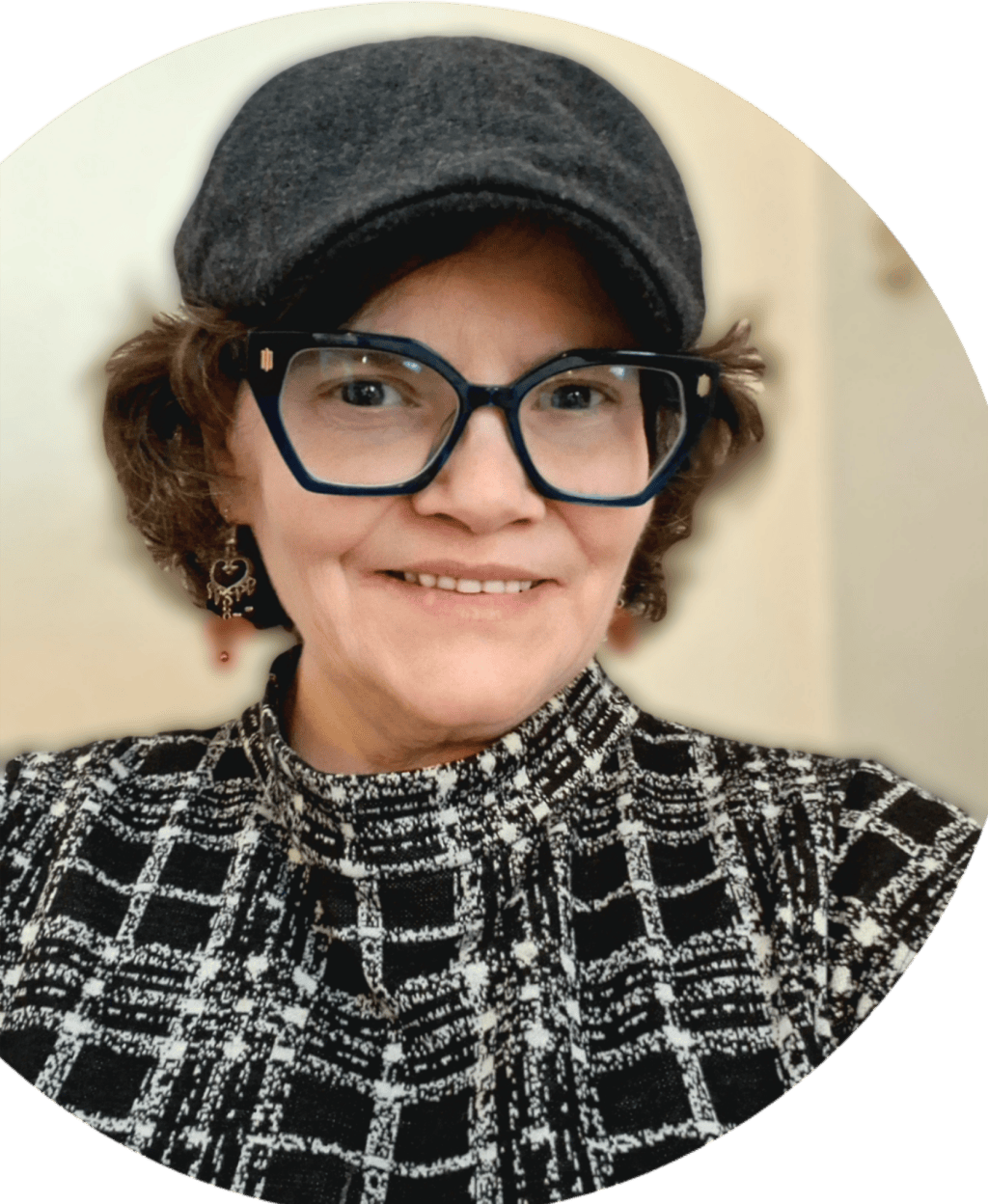
At her desk, in a corner carved out of a Las Vegas apartment bedroom, Rachel Williams settles down to work on a literature review, a cup of tea to her right, notepad to her left.
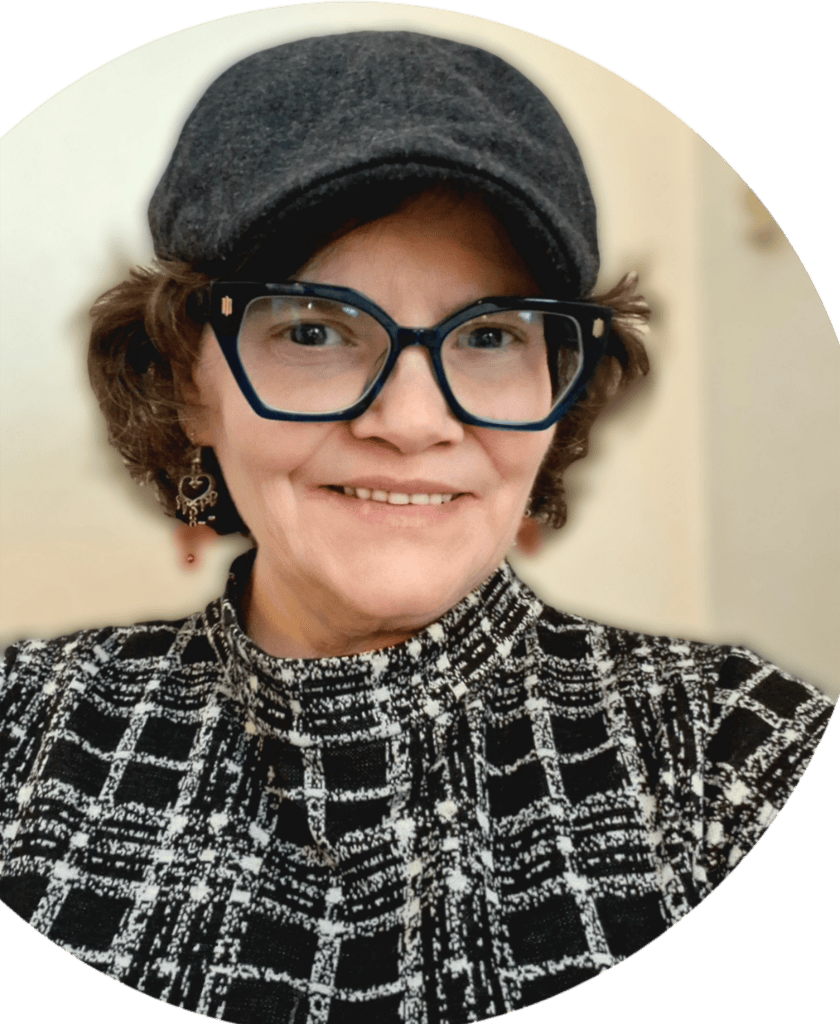
At 53, she is this author’s mother, and a graduate student. This is her fourth return to higher education. For Rachel, online school has worked for her in a way she’s not sure a typical classroom environment would, especially when facing challenges from BPD, such as overcomplicating things and second guessing herself.
Higher education is seeing an increasing number of students with disabilities, which is increasing the demand for research and literature around support strategies and student experiences.
“I just like learning,” Rachel said of her decision to enroll in an online graduate program at Southern New Hampshire University. “I decided to pursue my master’s in psychology because we need a lot more research into how our brains work, into neurodiversity. I want the information I’m looking for now to be out there.”
The Network of the National Library of Medicine states that neurodivergent individuals can have conditions such as Dyslexia, ADHD, autism spectrum disorder and more, but can also include mental health. Rachel spoke openly about her Lupus, as well as her borderline personality disorder diagnosis and how it may not fall under what people typically think of as neurodivergent.
“Neuro is mind,” she explained. “Divergent is different. So I have a different kind of mind. I think in a different way.”
Under the Americans with Disabilities Act, students with documented disabilities can seek reasonable accommodations at their institutions. A 2024 paper published in Higher Education found that this current generation is seeing more “neuro-atypical” students than any previous generation. This trend is leading to a broader discussion around accommodations in classroom environments.
One instructor failed each of her papers and requested a rewrite for every one. Rachel felt these submissions were put under more of a microscope and that a higher quality was expected due to the extra time given to submit it. After she reached out to her advisor, the instructor was told to grade her work the same as other students who weren’t receiving extra time through accommodations.
Rachel stated, “If you have an accommodation, that’s just so that you can have the nudge to be equal with the neurotypical people in the classroom.”
In addition to accommodations, she shared that establishing routines and accepting that she is different from her classmates helped her overcome BPD challenges in balancing her studies with overall well-being.
Rachel’s husband, Rodney Williams, noted balancing time as one of the challenges he’s observed for her, with time management and organization being important to overcome this.
“It takes a lot of the pressure off of her,” Rodney said. “…to where she can actually concentrate on the work that she’s doing.” As for what support looks like from his side, he described it as being understanding and patience.
Neurodivergent students can often force themselves to fit in with their neurotypical peers or with their own internalized perceptions of normalcy. When Rachel tried before, she felt she was forcing herself to fit in a box she didn’t fit in, and lacking the educational support structure needed.
Recent research is increasingly looking into neurodivergent student experiences to truly understand the gaps and areas of opportunity in higher education for nontraditional and disabled students. A focus group of 18 neurodivergent graduate students in STEM found the students in the study felt pressure to meet “neurotypical norms.” Several participants felt they had to work longer and harder than other students.
Rodney reflected on the recent media coverage he’s seen around neurodiversity, stating: “It seems like in our era, there’s a little bit more accommodation, a little bit more understanding of that.”
At her desk, Rachel glances between two monitors as she researches implicit biases for her next paper. In the kitchen, her husband starts the dishes; one less thing to worry about. Moments before, she was thinking ahead to 2028, when she graduates. Now she’s back into her routine, working to meet her deadline.
She reads a section out loud, frowns, and shakes her head. “That doesn’t sound right,” she says, and starts again.



 neurotypewriter.com
Leave a comment