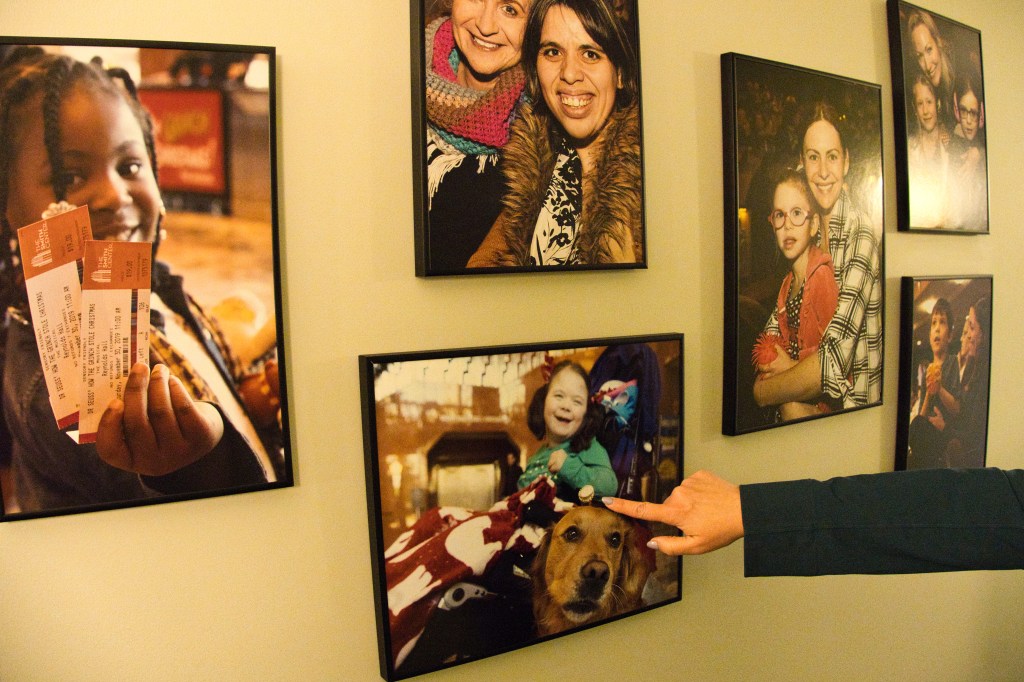
The Smith Center for Performing Arts, located in downtown Las Vegas, is known for their line-up of Broadway, live music, multi-cultural programming, and more. As a nonprofit venue, serving the community is at the heart of their mission, and their education center works to provide additional resources for teachers and families. They received interest in sensory-inclusive programming shortly after they opened in 2012, and this program has evolved since to support multiple inclusive events per year.
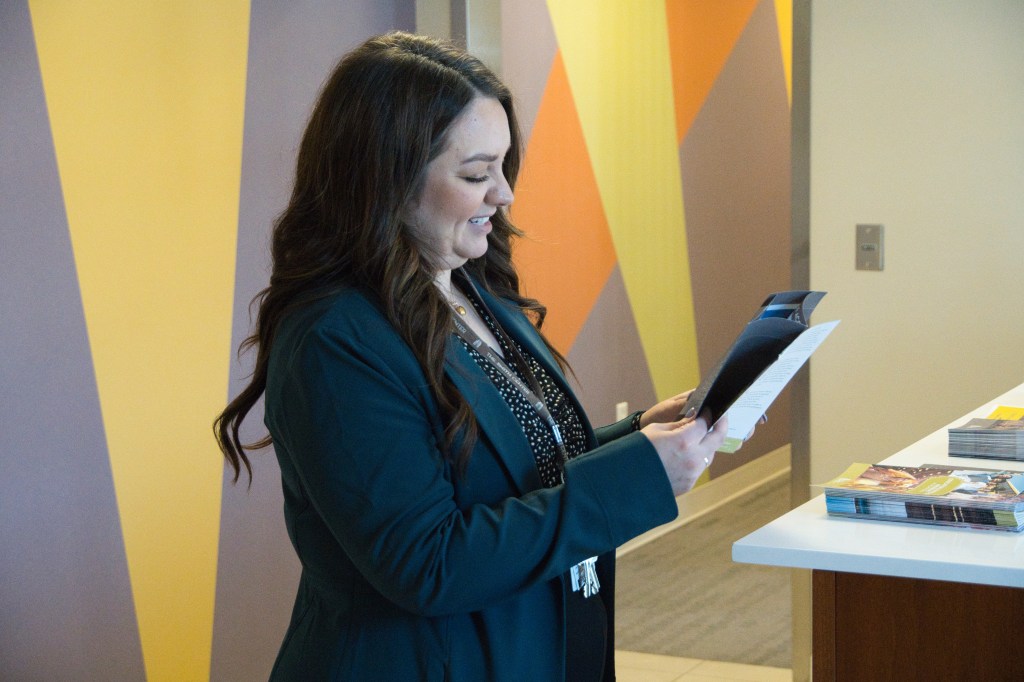
Melanie Jupp, Vice President of Education and Outreach, joined the Smith Center in 2013 and led the push in laying the foundation for sensory-inclusive programming. As Jupp recalls, Dr. Nicole Cavanaugh, a neuropsychologist working in Las Vegas, was one of the first people from the community to call for sensory-inclusive performances. “The Lion King”, straight off Broadway, was the Smith Center’s first sensory-inclusive event, in 2018.
With autism prevalence increasing, conversations around autism are growing in the media and in public awareness. Sensory-inclusive environments provide people with autism and other disabilities to participate in events that may otherwise be difficult to attend.
In a continuous learning process, the team partners with touring and production companies, and organizations such as the Pittsburgh Cultural Trust, who did one of the first sensory-inclusive performances of Wicked. Valuable feedback is received from families of children on the spectrum as well as from self-advocates, in order to discover what environmental factors need to be changed to allow diverse audiences to enjoy the performance. With Broadway shows, some come with pre-determined adjustments, such as lighting modifications, lowered audio, while others can’t be changed from their original technical format.
“Over time, we’ve learned from experts in the field of sensory-inclusive performance that ‘sensory’ means a lot of things,” Jupp said. “It’s not always about sensory overwhelm. Some people are sensory seekers who like loud.”
Due to the wide range of sensory needs, their focus goes beyond what’s on stage itself, and centers instead on accommodating the environment for each attendee, whether that’s fidget toys, headphones, or assistance from a specially trained access usher familiar with sensory accommodations and accessibility options.
Through their capstone partnership with UNLV occupational therapy students, they earned recognition from UNLV as the program’s best capstone site. This year they worked with Ella, a doctoral student and previous Registered Behavior Technician volunteer with the Smith Center, who revised their sensory-inclusive materials through an occupational therapy framework. Through this and other important partnerships, they’ve been able to continue to evolve their events and move away from the strict etiquette of traditional theater going protocol.
Fundraising is also a critical part of the sensory program. In order to do a sensory-inclusive performance, the Smith Center buys out a show from the general public and takes it off sale. For Disney’s “The Lion King” in 2018, it cost about $150,000, and in 2026 is now at a cost of more than $200,000 for one performance, almost a quarter of their annual programming budget for one day.
“We’re committed to making it happen, but logistical factors come into play,” Jupp said.
As funding for the federal arts declines, the cost of inclusion increases. Since the Trump Administration began cancelling National Endowment for the Arts grants in May 2025, a battle at the Federal level over funding continues, with venues and performers across the U.S. facing ongoing uncertainty around cuts. Right now, nonprofits such as the Smith Center absorb the burden of funding in order to provide sensory-inclusive events to the public.
Jupp hopes that the global corporations they partner with to provide programming can prove to be creative partners in reducing costs moving forward, to avoid the funding of sensory events falling solely on local nonprofits in their communities.
More information about the Smith Center’s sensory-inclusive programming can be found at their website: thesmithcenter.com.


 neurotypewriter.com
Leave a comment